
Education goes beyond just transmitting knowledge; it plays a vital role in shaping individuals’ character and, consequently, the future of society. In a world full of challenges like social inequality, technological disruption, and environmental issues, it is crucial to emphasize the importance of character education. By nurturing values such as integrity, empathy, discipline, and responsibility, we can build a generation that is not only intellectually capable but also morally grounded. This article explores the significance of character education in building a golden generation that will drive positive change and contribute meaningfully to society.
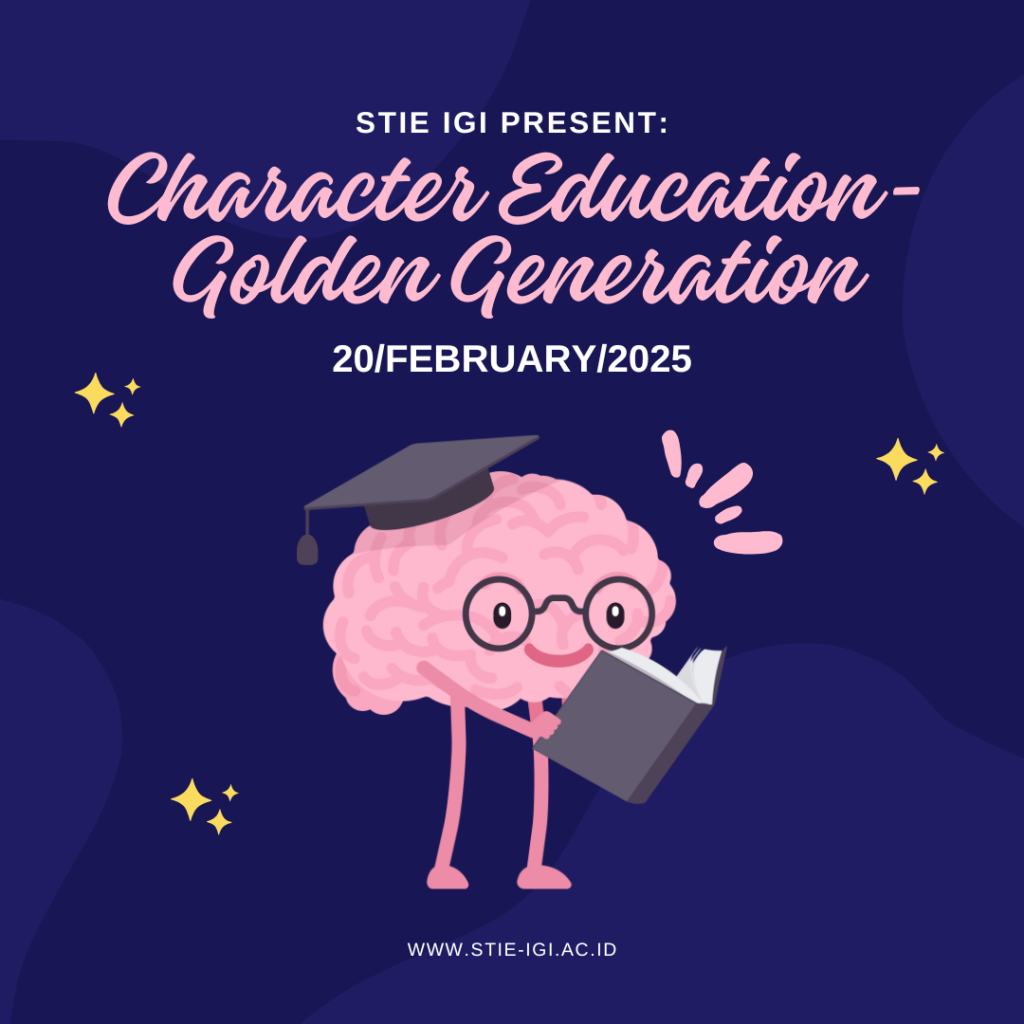
The Importance of Character Education-Golden Generation
First and foremost, Character Education-Golden Generation education proves essential for the development of moral and ethical individuals. While academic knowledge equips students with technical skills for various careers, character determines how individuals use those skills. For instance, someone with integrity is more likely to make ethical decisions at work, while someone with empathy is more likely to contribute to social causes. Therefore, we should view character education as a core component of the educational system, not an afterthought or secondary concern.
Character education also fosters responsibility and accountability. In a society where personal and collective actions have far-reaching consequences, individuals must be aware of their impact on others and the environment. By instilling values like respect, honesty, and fairness, character education encourages individuals to make decisions that benefit not only themselves but also the wider community.
The Role of Schools in Character Education-Golden Generation
Schools play a critical role in shaping students’ character. They are environments where students spend a significant portion of their time, making them ideal places for developing moral values. Beyond teaching academic subjects, schools have a responsibility to nurture well-rounded individuals who can positively contribute to society. Integrating character education into the curriculum achieves this goal.
For example, subjects like ethics and civics can help students understand social responsibility, while extracurricular activities such as community service or leadership programs allow them to practice these values in real-world contexts. Teachers, as role models, hold significant power in influencing students’ character development. By demonstrating qualities like patience, honesty, and respect, teachers can inspire students to adopt these traits in their lives.
Moreover, schools should create an inclusive and supportive environment that encourages students to express their thoughts and emotions freely. Emotional intelligence, a key component of character, helps students navigate relationships and handle challenges constructively.
The Role of Parents and Communities
While schools are essential for character development, parents and communities also play vital roles. Character education does not stop once students leave school. It continues in the home and wider community. Parents, as the first educators, model behavior,
set expectations, and provide guidance for moral decision-making. By fostering a loving and supportive home environment, parents significantly contribute to their children’s character development.
Communities also provide opportunities for individuals to practice and reinforce the values they learn at home and school. Whether through volunteering, participation in local governance,
or engagement in social initiatives, communities offer the perfect setting for individuals to live out values like respect, kindness, and responsibility. These experiences help students realize their role in society and how their actions can create a ripple effect benefiting others.
Challenges in Character Education
Despite the numerous benefits of character education, some challenges must be addressed. One of the main obstacles is the increasing focus on academic achievement in many educational systems. With pressure to perform well in exams and standardized tests, schools often dedicate little time to character education. This narrow view of education can undermine the development of well-rounded individuals.
The rapid advancement of technology also presents challenges in character development. Social media, for example, often becomes a platform where bullying, dishonesty,
and disrespect are normalized. Young people, who are particularly impressionable, may struggle to navigate online interactions and differentiate between appropriate and inappropriate behavior. Therefore, we must educate students on the ethical use of technology and the importance of digital responsibility.
Strategies for Promoting Character Education
To overcome these challenges, we need a more holistic approach to education—one that values both intellectual and moral development equally. Schools, parents, and communities must work together to ensure that character education becomes a consistent part of a child’s upbringing.
An effective strategy involves integrating values into every subject area. For instance, students can learn about honesty in mathematics by showing their work and avoiding cheating. In history, they can examine the consequences of unethical behavior through past events. This interdisciplinary approach helps students understand that character is not limited to specific lessons but is part of all aspects of life.
Additionally, providing students with opportunities to engage in service learning or community projects helps them apply their values in practical settings. Volunteering at local shelters, participating in environmental clean-up programs, or organizing charity events are excellent ways for students to practice empathy, teamwork, and social responsibility.
Conclusion
In conclusion, character education forms a critical foundation for building a golden generation. By instilling values like integrity, responsibility, empathy, and respect,
we nurture individuals who are not only capable professionals but also conscientious citizens. However, this requires a collective effort from all sectors of society—schools,
parents, and communities—to create an environment that supports character development. By prioritizing character education alongside academic achievement, we ensure that future generations will have the knowledge and moral compass necessary to lead with integrity and contribute to the greater good. Ultimately, character education is the cornerstone of a prosperous and harmonious society.
How to Register:
- Visit the official STIE IGI website at www.stieigi.ac.id
- Fill in the online registration form with complete and correct data
- Attach the required documents, such as an undergraduate diploma and transcript
- Follow the selection process according to the specified schedule
- Make registration payment after being declared to have passed the selection
Ikuti STIE IGI di Instagram!
Untuk mendapatkan informasi terbaru seputar program akademik, seminar, beasiswa, serta berbagai aktivitas kampus lainnya, ikuti akun Instagram resmi STIE IGI: @stieigi_official
